
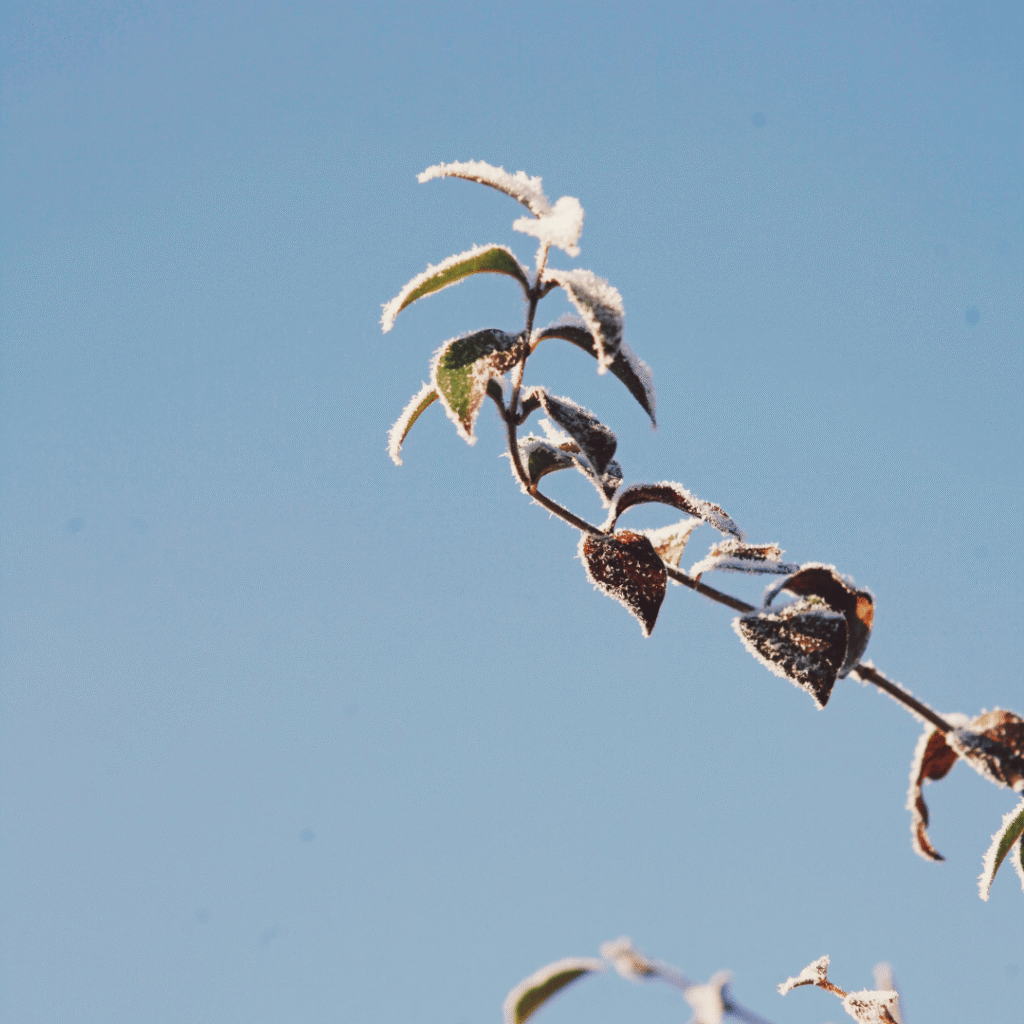
There is a specific, quiet tension that hangs in the air right before the world turns green. It’s that transitional window where the wind loses its jagged edge, the soil begins to soften, and everything feels as though it is holding its collective breath.
If you’ve ever walked outside in early March and felt sudden, inexplicable urge to clear out a cluttered closet, start a fresh project, or finally leave a stale habit behind, you aren’t imagining it. Humans have a biological and psychological tether to the seasons. We are not separate from nature; we are a complex part o f it. Out ancestors survived by syncing their internal rhythms with the external environment, and those echoes still live in our nervous systems today.
In a modern world that demands we “hustle” days of year – treating January 1st with the same frantic energy as July 4th – spring arrives as a necessary, grounding course correction. It reminds us that growth is not a linear sprint or a mountain to be conquered. It is a rhythmic, sometimes messy, and deeply patient process.
To truly understand our own potential for change, we have to look at the mechanics of the “seasonal awakening” and what it actually teaches us about the human experience.
In our productivity-obsessed culture, we tend to treat periods of low energy, reflection, or “stagnation” as moral failures. If we aren’t producing, we feel like we are falling behind. We look at a lack of visible progress and label it “laziness.”
However, spring is only possible because of the deep, silent dormancy that preceded it.
In the natural world, winter isn’t a “break”; it is a period of intense internal preparation. On the surface, a forest in winter looks dead. But beneath the frost, roots are deepening. Energy is being pulled back from the leaves and stored in the core to survive the cold. This is exactly how the human psyche operates.
There is a highly romanticized version of spring—all cherry blossoms and soft sunlight. But anyone who has actually put their hands in the dirt knows the truth: early spring is often “ugly.” It is a season of mud, melting slush, and the decaying leaves from the year before.
Real personal growth looks a lot more like that mud than a filtered postcard.
To grow something new, the “old versions” of our lives—outdated mindsets, old routines, or past comforts—have to physically and metaphorically break down. This decomposition isn’t a sign that things are going wrong; it is the very thing that provides the nutrients for the new seeds to sprout.
We often wait for a “lightning bolt” moment to change our lives. We want the overnight success, the sudden epiphany, or the total 180-degree turn. We want to wake up one morning and find that our habits have vanished and our bank account has doubled.
Spring teaches a much more sustainable lesson: the power of the incremental.
The shift from winter to spring doesn’t happen in a single afternoon. It is a matter of gaining three or four minutes of sunlight every evening. It is the slow, almost imperceptible softening of the frozen ground. If you watched a tree for an hour, you wouldn’t see it grow. Yet, if you come back in two weeks, the transformation is undeniable.
Key Takeaway: Massive change is almost always the result of tiny, consistent shifts. Instead of looking for a massive explosion of progress, look for the “glimmers”—those small signs that your perspective is starting to thaw. A single five-minute walk or one set boundary are the “minutes of sunlight” that eventually lead to a full season of change.
When we talk about resilience, we often use words like “toughness” or “grit.” We imagine someone “gritting their teeth” and powering through an obstacle like a bulldozer.
But spring suggests a different definition of strength.
Consider a tiny, soft seedling pushing through a crack in a concrete sidewalk. It doesn’t use brute force; it uses persistent, hydraulic pressure. It doesn’t fight the concrete; it finds the path of least resistance and occupies it.
Furthermore, a new branch survives a spring storm because it is green and flexible. It can bend until its tip touches the ground, and when the wind stops, it snaps back. A rigid, old, brittle branch—no matter how thick it is—will snap under that same pressure.
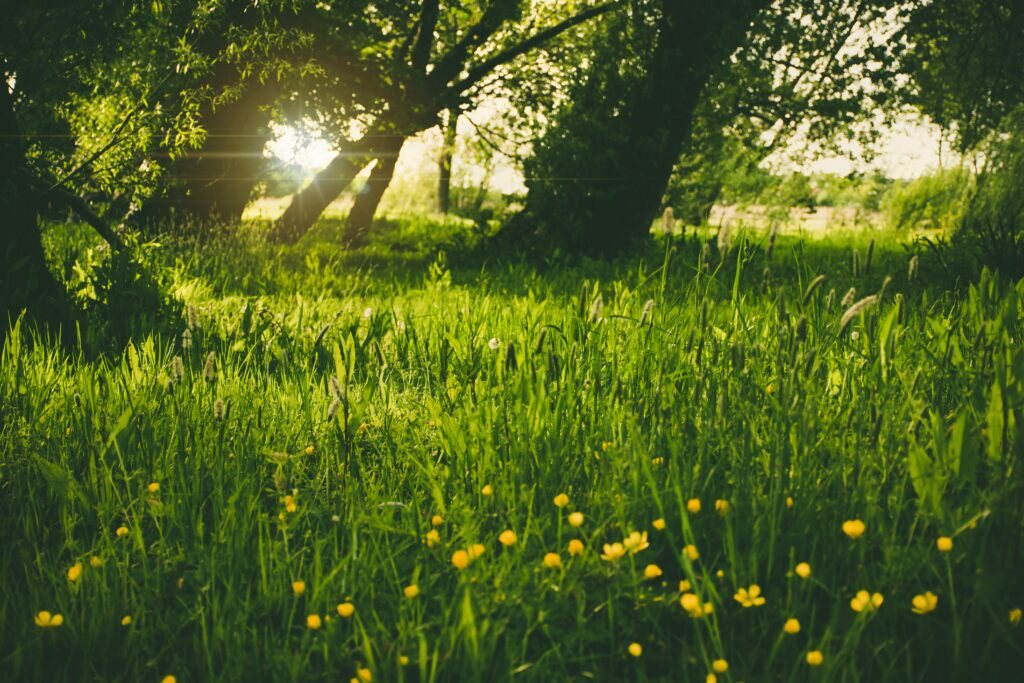
A garden is a masterclass in varied timelines. The crocuses show up early, often while there is still snow on the ground. The tulips follow, then the lilacs, while the peonies take their sweet time, not blooming until the heat of late spring hits.
If the peony spent its time comparing its progress to the crocus, it would likely give up by April, convinced it was a failure.
In our hyper-connected lives, we are constantly bombarded by someone else’s “full bloom.” We see the highlight reels of people who have already reached their destination while we are still in our “seeding” or “muddy” phase. This creates a psychological “false spring” where we try to force results before we are ready.
The “Seasonal Awakening” is more than just a metaphor for self-help; it is a biological invitation to rejoin the rhythm of the world. It is a reminder that no matter how long, dark, or harsh the “winter” of your life has felt, the cycle always turns.
Growth doesn’t require you to be perfect. It doesn’t require you to have all the answers or a ten-year plan. It simply requires the willingness to start, the patience to wait through the mud, and the courage to eventually crack open.
The world is waking up around you. Perhaps it’s time you gave yourself permission to do the same.
Claim your FREEBIES today and make every visit to Regarding You even more special!