
The Problem With Being Told to Be Grateful
“Just be grateful for what you have.”
It sounds like simple advice. But when you are overwhelmed, grieving, exhausted, or moving through a difficult season, those words can feel like another expectation you are failing to meet.
You can appreciate your life and still wish certain things were different. You can love the people around you and still feel lonely. You can recognize what is going well without pretending that what hurts does not matter.
That distinction is important.
Gratitude is often presented as a quick way to become more positive. Write down three good things, focus on the bright side, and eventually everything will feel better. But a meaningful gratitude practice is not about forcing happiness or ignoring uncomfortable emotions.
It is about noticing what is present alongside what is difficult.
When explored with honesty, gratitude can become a gentle mindfulness practice. It may help you pay attention to supportive relationships, ordinary sensory experiences, and moments of meaning that are easy to overlook when life feels demanding.
This is where gratitude and the nervous system connect—not as a cure or an instant reset, but as a way of becoming more aware of your experience.
What Does Gratitude Have to Do With the Nervous System?
Your nervous system is constantly receiving and responding to information from your body and environment. It helps coordinate responses to everyday demands, perceived threats, rest, movement, and connection.
When life becomes stressful, attention can become concentrated on what needs fixing, what might go wrong, or what has not been done. This response can be useful. It helps you identify problems and respond to challenges. However, when your attention stays focused on demands, you may overlook experiences that offer comfort, connection, or a sense of support.
A mindful gratitude practice invites you to notice those experiences without denying the difficult ones.
Research suggests that gratitude interventions may influence aspects of emotional well-being and some physiological responses, although findings are still developing. A 2025 study examining gratitude interventions reported differences in cardiac responses during stress and recovery. A separate 2026 study found improvements in self-reported emotional responses after a brief gratitude exercise, but did not find significant differences in heart rate between groups.
These findings are interesting, but they do not establish gratitude as a treatment for nervous system dysregulation, anxiety, trauma, or any medical condition. Gratitude does not automatically activate a particular nervous system state, switch off stress, or replace professional support.
A more realistic way to understand gratitude is as an attention and awareness practice. It gives you an opportunity to notice experiences that may otherwise pass without recognition.
And that practice can take more than one form.
Three Dimensions of Gratitude Worth Exploring
Not every meaningful moment looks like a person helping you or a major life event going your way. Gratitude can be found in relationships, physical sensations, and the meaning you make of being alive.
For a more thoughtful practice, explore these three dimensions.
1. Relational Gratitude: Remembering Who Makes Life Feel Less Heavy
Relational gratitude is the appreciation you feel for people whose presence makes a difference in your life.
Sometimes it is obvious. Someone supports you through a difficult decision, checks on you when you have been quiet, or offers help when you need it most.
Other times, it is much smaller.
It might be the friend who sends a message without expecting a long conversation. The colleague who explains something without making you feel embarrassed. The family member who remembers how you take your coffee. Or the person who makes an ordinary day feel a little less lonely.
These moments matter because human connection can contribute to a sense of belonging and support.
Try looking beyond the people you are closest to. Think about the different ways people make your everyday life easier, safer, or more meaningful.
Reflection prompt: Who has made your life feel a little lighter recently, even if they probably do not realize it?
If you feel comfortable, let that person know. A sincere message can turn private appreciation into a meaningful moment of connection.
2. Sensory Gratitude: Noticing What Your Body Experiences
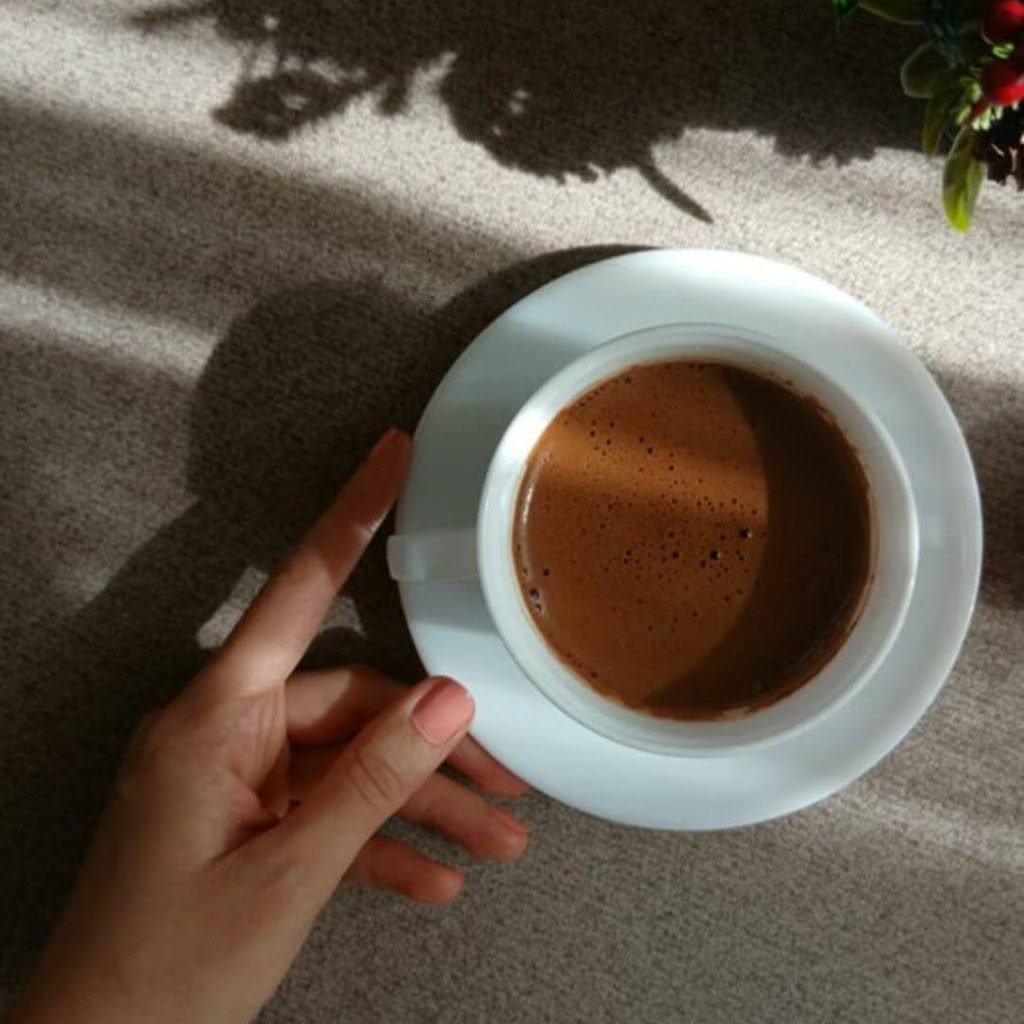
Sensory gratitude brings your attention to ordinary experiences you can see, hear, touch, smell, and taste.
It is easy to move through a day without noticing much beyond your responsibilities. You may drink your morning coffee while answering messages, eat lunch while working, or walk outside while thinking about everything waiting for you.
A sensory gratitude practice creates a small opportunity to experience the moment instead of rushing through it.
Notice the warmth of sunlight on your skin. The feeling of clean sheets after a long day. The sound of rain against a window. The first sip of water when you are thirsty. The comfort of sitting down after standing for hours.
You do not need to turn these experiences into something extraordinary. Their value can come from simply noticing them.
Sensory awareness is also different from demanding that yourself feel calm. Some days, you may notice a pleasant sensation. On other days, you may only recognize that you are tired, tense, or uncomfortable. Both observations are valid.
Reflection prompt: What is one small sensory experience that made today more comfortable?
Let yourself stay with that experience for a few moments. You are not trying to manufacture a feeling. You are giving your attention somewhere to rest.
3. Existencial Gratitude: Appreciating Life Without Needing It to Be Perfect
Existential gratitude is appreciation for aspects of life that feel meaningful beyond individual achievements or possessions.
It may involve nature, creativity, personal values, spirituality, or the simple experience of being part of something larger than your immediate responsibilities.
This kind of gratitude does not require you to believe that everything happens for a reason. It does not ask you to be thankful for painful experiences or find a positive lesson in every hardship.
Instead, it allows you to recognize that life can hold difficulty and meaning at the same time.
You might appreciate having the freedom to make a different choice. The opportunity to begin again after a disappointment. The creativity that helps you express something you cannot easily explain. Or the quiet realization that you are still discovering who you want to become.
Existential gratitude can also be found in nature: watching the sky change, noticing a tree growing through the seasons, or taking a moment to appreciate the world beyond your immediate concerns.
Reflection prompt: What gives your life a sense of meaning, even when everything is not going according to plan?
Your answer does not have to be impressive. It only needs to be honest.
A Seven-Minute Gratitude Practice to Try Today
You do not need a complicated routine, a perfect journal, or a completely quiet room to begin. Set aside seven minutes and use this simple gratitude experience map.
Minutes 1: Arrive where you are.
Pause what you are doing, if possible. Notice your surroundings. Observe your breathing without trying to change it. Ask yourself how you are feeling right now.
Minute 2-3: Notice one relationship.
Bring one person to mind who has offered support, kindness, understanding, or companionship. Recall a specific moment rather than writing a general statement. What happened? What did their presence mean to you?
Minutes 4-5: Notice one sensory experience.
Choose something you can experience through your senses. It could be the temperature of the room, a familiar sound, the taste of your drink, or the feeling of your feet on the floor. Give yourself time to notice the details.
Minute 6: Notice one source of meaning.
Think about something that makes your life feel worthwhile. It might be a personal value, a creative interest, a goal, a place, or an opportunity you still want to explore.
Minute 7: Write one honest sentence.
Complete this thought:
” Today, I appreciate _____________, even though ________________.”
This final sentence matters because it leaves room for more than one emotion. You can appreciate something while acknowledging that the day is difficult. You do not have to choose between honesty and gratitude.
If seven minutes feels like too much, choose one prompt and spend a minute with it. The practice should support your day, not become another task you feel pressured to complete.
When Gratitude Does Not Come Naturally
There will be days when gratitude feels difficult. You might be dealing with uncertainty, loss, conflict, exhaustion, or circumstances you cannot immediately change.
On those days, do not force yourself to write a list of things you should appreciate.
Start with something more neutral.
Instead of asking, “What am I grateful for?” try asking:
- What helped me get through today?
- What felt slightly easier than yesterday?
- Was there one moment when I felt understood?
- What did I need today that I was able to give myself?
- What is one thing I do not have to figure out right now?
You can also take a break from the practice. Gratitude should not become a measure of how well you are coping or a reason to judge yourself for feeling unhappy.
If you are experiencing ongoing emotional distress, a gratitude exercise is not a substitute for appropriate professional support. You deserve care that acknowledges the full reality of what you are going through.
The purpose is not to make every experience feel positive. It is to create room for a wider, more honest picture of your life.
How to Make Gratitude a Meaningful Habit
A gratitude practice becomes more sustainable when it fits naturally into your existing routine.
Rather than promising yourself that you will write a full journal entry every morning, connect a small moment of reflection to something you already do.
You could notice one thing you appreciate while preparing breakfast, reflect on a supportive interaction during your evening walk, or write a single sentence before going to bed.
Keep your observations specific. “I am grateful for my family” can be a meaningful starting point, but recalling how someone listened to you after a difficult day gives the reflection more detail.
You can also change your prompts regularly. Repeating the same questions may eventually feel automatic. Explore relationships one day, sensory experiences the next, and sources of meaning later in the week.
If writing helps you process your thoughts, keep a dedicated journal. If writing feels like another responsibility, use voice notes or simply pause and notice.
There is no single correct way to practice gratitude. The most useful approach is one that feels honest, manageable, and relevant to your life.
Frequently Asked Questions About Gratitude and the Nervous System
1. Can gratitude calm your nervous system?
Gratitude may support emotional well-being by encouraging awareness of positive, supportive, or meaningful experiences. Some research has also examined physiological responses associated with gratitude interventions. However, evidence is still developing, and gratitude should not be described as a guaranteed way to calm the nervous system or treat a health condition.
2. How often should I practice gratitude?
There is no required schedule. You can try a short daily reflection, a few minutes several times a week, or occasional moments of mindful appreciation. Consistency can help make reflection familiar, but the practice should not feel like another obligation.
3. What if I cannot think of anything to be grateful for?
Do not force an answer. Begin with a neutral observation, such as something that helped you get through the day, a moment of comfort, or a need you were able to meet. If gratitude feels inaccessible during a difficult period, it is okay to pause and seek the support you need.
Gratitude does not ask you to love every part of your life. It does not erase disappointment, solve uncertainty, or make difficult experiences less real.
It offers another way to pay attention.
You can recognize the person who showed up for you, the warmth of the afternoon sun, or the small part of yourself that keeps choosing to try again. These moments do not need to compete with the things you are still working through.
Perhaps the most meaningful gratitude practice is not about finding more reasons to be happy. It is about becoming more present to the life you are already living.
Start with one moment. One person. One sensation. One honest sentence.