
The iced coffee sits untouched beside the keyboard.
A task that normally takes thirty minutes has stretched into an hour. Outside the window, sunlight lingers across the afternoon, inviting attention elsewhere. The mind drifts toward walk, a patio conversation, a quiet moment under a tree.
Many ambitious people experience this shift every summer and immediately assume something is wrong.
They worry they are losing momentum. They question their discipline. They wonder why the routines that carried them through winter and spring suddenly feel heavier.
Yet beneath the guilt and self–criticism lies a simple truth: your body is responding exactly as it was designed to.
Summer changes more than the weather. It changes our energy, our attention, our sleep patterns, our social habits, and even the way we approach work. While modern productivity culture often encourages us to operate at the same pace every day of the year, human beings have never functioned that way naturally.
We are seasonal creatures living in a world that often expects machine-like consistency.
Learning to work with your natural rhythms rather than constantly overriding them can transform the way you experience both productivity and well-being. Instead of feeling torn between accomplishment and enjoyment, you begin creating a life where both can coexist.
Summer isn’t asking you to abandon your goals.
It’s inviting you to pursue them differently.
“A meaningful pause is never time lost. It is the space where clarity returns, creativity deepens, and well-being is restored.”
The Science of Summer Energy
Most people notice a shift in their energy as summer arrives, even if they cannot explain exactly why.
You may wake up earlier than usual. You may feel more alert in the morning but find yourself lingering outdoors long after sunset. You might feel inspired and energized one day, then oddly restless the next.
These experiences are rooted in the science of chronobiology, the study of biological rhythms and how they influence our physical and mental functioning.
How Light Influences Your Internal Clock
Every person operates according to a circadian rhythm—an internal clock that regulates a wide range of biological processes over approximately twenty-four hours.
This internal rhythm influences:
- Sleep and wake cycles
- Hormone production
- Energy levels
- Focus and concentration
- Mood regulation
- Metabolism
- Cognitive performance
One of the strongest influences on this system is light exposure.
During summer, longer days and increased sunlight affect the production of melatonin, the hormone responsible for helping the body prepare for sleep. Because melatonin production is naturally suppressed by light, extended daylight hours often make us feel more awake and alert later into the evening.
This increased alertness can feel energizing.
It can also become surprisingly disruptive.
Many people find themselves staying up later, socializing more frequently, and squeezing additional activities into their days. Over time, the accumulation of slightly shorter nights and fuller schedules can leave them feeling depleted despite the initial boost in energy.
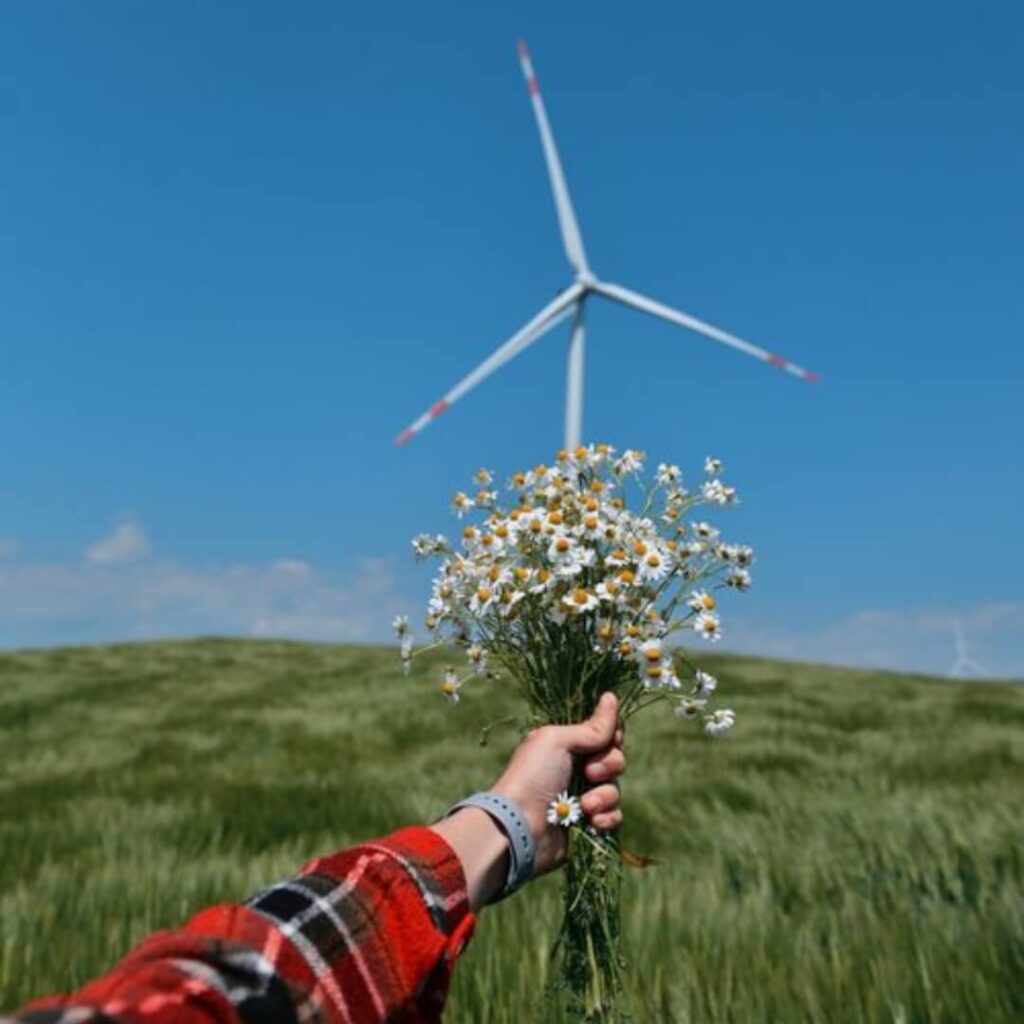
More Energy Doesn’t Mean Unlimited Energy
One of the biggest misconceptions about summer is that feeling energized means having endless capacity.
The reality is more nuanced.
Longer daylight hours can increase motivation and alertness, but your body still requires recovery. Your nervous system still needs moments of calm. Your creativity still depends on rest.
In fact, summer can become one of the easiest seasons for burnout because the increased energy often masks exhaustion until it becomes impossible to ignore.
Think about how quickly commitments can multiply during this season:
- Work projects continue moving forward.
- Travel opportunities increase.
- Family schedules become busier.
- Social invitations become more frequent.
- Community events fill weekends.
- Personal goals remain on the list.
The result is often an invisible overload.
Everything may seem positive and exciting on the surface, yet the cumulative effect leaves little room for restoration.
Understanding your summer energy means recognizing that vitality and recovery must exist together.
Breaking the Constant-Hustle Myth
Many of us have been conditioned to believe that productivity should remain consistent regardless of season, circumstance, or energy level.
We celebrate pushing through fatigue.
We admire packed calendars.
We equate busyness with value.
The message is subtle but persistent: if you’re not operating at full capacity every month of the year, you’re somehow falling behind.
This mindset creates what I often call the all-year sprint.
It’s the belief that every season should look the same.
The belief that growth only happens through relentless action.
The belief that slowing down is dangerous.
Yet when we look at nature, we see a completely different model.
Nothing in nature sustains peak output continuously.
Trees bloom, flourish, shed, and rest.
Gardens move through cycles of planting, growth, harvest, and renewal.
Even the sun changes its patterns throughout the year.
Humans are not separate from these rhythms.
We are part of them.
A Different Perspective on Productivity
Instead of forcing ourselves into a rigid, year-round pace, we can begin viewing productivity through a seasonal lens.